
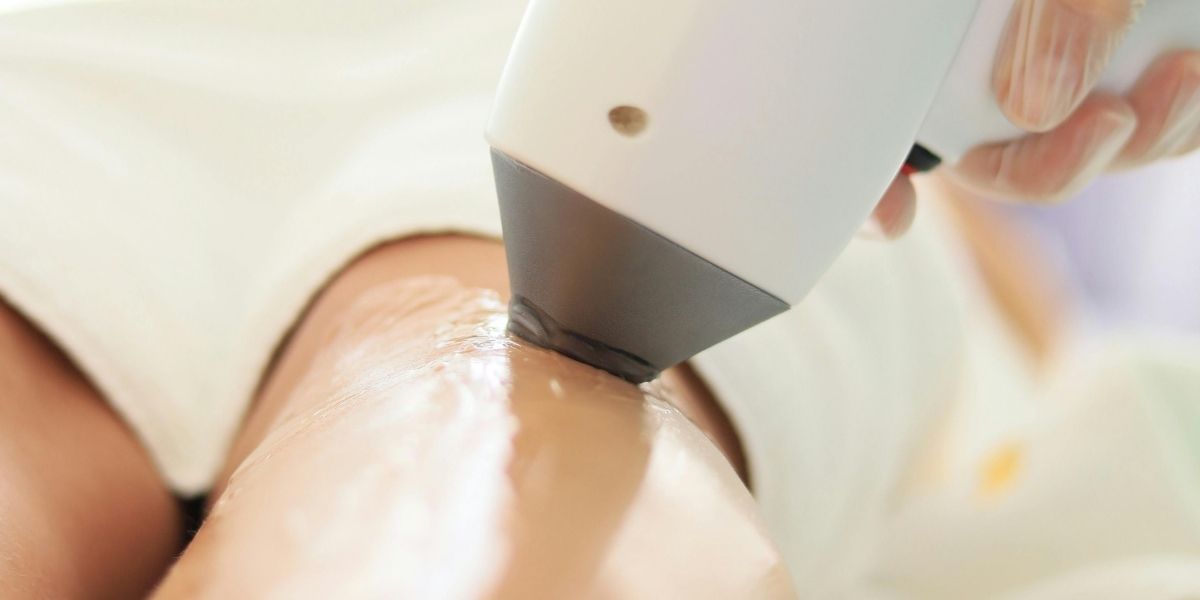
Laser hair removal is often chosen for its ability to significantly reduce unwanted hair over time. Many people complete a series of treatments, enjoy smooth skin for months or even years, and then pause sessions due to life changes, budget, pregnancy, or simple convenience. After a long break, a common question comes up: will the hair come back, and if so, what will it look like?
Understanding how laser hair removal works over the long term helps set realistic expectations. Hair regrowth after a pause does not mean the treatment failed. Instead, it reflects how hair follicles behave naturally and how the laser interacts with them. Factors such as hormones, treatment consistency, and individual hair cycles all play a role.
A long gap can change the appearance and density of regrowth, but it does not erase the progress already made. Many people are pleasantly surprised to find that hair returns finer, lighter, and slower than before treatment ever began. Knowing what to expect allows you to make informed decisions about whether maintenance sessions are needed and how to manage regrowth confidently.
How Laser Hair Removal Affects Hair Follicles
Laser hair removal works by targeting pigment within the hair follicle using concentrated light energy. When the laser heats the follicle during its active growth phase, it damages the follicle’s ability to produce thick, dark hair. Because not all hairs are growing at the same time, multiple sessions are required to treat as many follicles as possible during their active phase.
Over time, repeated treatments weaken a large percentage of follicles. Some stop producing hair altogether, while others generate hair that is thinner and less noticeable. This gradual reduction is why results improve over several sessions rather than after just one appointment.
What Happens to Hair During a Long Break
When treatments stop for an extended period, untreated follicles continue their natural hair growth cycle. Dormant follicles may reactivate, especially those that were weakened but not fully disabled. This regrowth can give the impression that all the hair has returned, even though it is often less dense than before.
The key point is that laser hair removal reduces hair permanently but does not always eliminate every follicle. A long break allows remaining follicles to resume activity, which is a normal biological response rather than a reversal of progress.
Will Hair Grow Back Thicker or Darker?
One common concern is whether hair will return thicker or darker after a pause. Laser hair removal does not cause hair to grow back stronger. In most cases, regrowth is finer, lighter in color, and slower to appear. The treated follicles that do produce hair tend to generate softer strands that are easier to manage.
If hair seems darker after a break, it may be because new growth is more noticeable compared to smooth skin. This contrast can make regrowth feel more dramatic than it actually is.
The Role of Hormones and Life Changes
Hormonal fluctuations have a strong influence on hair growth. Pregnancy, menopause, thyroid conditions, and changes in birth control can all stimulate new hair production, even in areas previously treated. These changes do not mean laser hair removal stopped working; they reflect new follicle activity driven by internal shifts.
In such cases, maintenance sessions can help address hormonally triggered regrowth and keep hair reduction results consistent over time.
How Maintenance Sessions Help Long-Term Results
Maintenance sessions are an expected part of laser hair removal for many individuals. These treatments target any follicles that were missed or later reactivated. Depending on the area and personal hair patterns, maintenance may be needed once or twice a year.
After a long break, a short series of touch-up sessions often restores smoother results quickly. Because there is usually less hair to treat, maintenance appointments are often faster and more comfortable than the initial treatment series.
When to Restart Laser Hair Removal
Restarting laser hair removal is usually straightforward. As long as the hair has enough pigment and length to respond to the laser, treatments can resume safely. A consultation helps determine how many sessions may be needed and whether any changes in skin tone, hair color, or health should be considered.
Many people find that restarting after a break requires fewer sessions than their original treatment plan, especially if most follicles remain weakened.
Taking a long break from laser hair removal does not erase the benefits already achieved. While some hair regrowth is normal, it is typically finer, lighter, and less dense than before treatment began. Hormones, natural hair cycles, and time all influence what returns, but maintenance sessions can effectively manage these changes. With proper expectations and professional guidance, smoother skin remains a realistic goal even after time away from treatments. If you are considering restarting or maintaining your results, Denude offers expert support to help you feel confident and comfortable every step of the way; schedule a consultation and take the next step toward lasting hair reduction.